

Table of Contents
- Understanding the Spiritual Psychological Approach to Anxiety
- How Emotional Detox for Anxiety Works
- Mindfulness-Based Cognitive Therapy and Anxiety Relief
- Holistic Anxiety Treatment in Los Angeles: An Integrated Model
- Why This Approach Works for High-Functioning Professionals
- Practical Steps to Begin Your Spiritual Psychological Journey
- Conclusion
- Frequently Asked Questions
Last Updated: September 30, 2026
Understanding the Spiritual Psychological Approach to Anxiety
A spiritual psychological approach to anxiety integrates mindfulness, emotional awareness, and deeper self-understanding to address the root causes of anxiety rather than just managing symptoms. This method recognizes that anxiety often stems from disconnection between our authentic selves and the lives we’re living, particularly for high-functioning professionals who excel outwardly while struggling internally.
The spiritual psychological approach bridges that gap by combining evidence-based therapeutic techniques with practices that reconnect you to your own wisdom and values.
What makes this different from conventional anxiety treatment is the focus on the whole person. Rather than treating anxiety as a problem to eliminate, this approach invites you to explore what your anxiety is trying to communicate. Often, it’s pointing toward a misalignment between your authentic self and the expectations you’re carrying.
For creative professionals, entrepreneurs, and sensitive individuals in Los Angeles and beyond, this framework has proven particularly effective because it honors the complexity and depth that makes you who you are, rather than trying to flatten or suppress it.
How Emotional Detox for Anxiety Works
Emotional Detox for Anxiety is a process of clearing accumulated emotional patterns and limiting beliefs that fuel anxiety, allowing you to access greater clarity and ease. It works by identifying the specific thoughts, memories, and conditioning that keep you trapped in anxiety cycles, then systematically releasing their hold on you.
The process typically unfolds in stages. First, you develop awareness of your anxiety patterns, not just the surface symptoms, but the deeper narratives and beliefs driving them. Many high-functioning professionals discover that their anxiety is rooted in perfectionism, fear of judgment, or the pressure to maintain a certain image. Once you see these patterns clearly, you can begin to question them.
Next comes the emotional release phase. This isn’t about suppressing or analyzing feelings into oblivion. Instead, you learn to safely experience and move through emotions that have been stored in your body. This might involve somatic techniques, guided visualization, or working with breath and movement. The goal is to discharge the charge these emotions carry so they no longer trigger automatic anxiety responses.
Finally, you integrate new ways of relating to yourself and your experience. This is where lasting change takes root. You’re not just managing anxiety differently, you’re fundamentally shifting your relationship to it.
It’s targeted and experiential, meaning you often feel shifts within sessions, not just eventually.
Mindfulness-Based Cognitive Therapy and Anxiety Relief
Mindfulness-based cognitive therapy combines meditation practices with cognitive techniques to help you observe anxious thoughts without being controlled by them. Rather than fighting anxiety or trying to think your way out of it, you learn to create space between yourself and your thoughts.
This practice begins with basic mindfulness, learning to notice what’s happening in your body and mind without judgment. Many people discover that anxiety lives as tension, rapid breathing, or a sense of dread before they even consciously “think” an anxious thought. By catching it at the physical level, you can interrupt the anxiety cycle earlier.
The cognitive component adds another layer. You learn to recognize thought patterns that amplify anxiety, catastrophizing, mind-reading, or over-generalizing. But here’s the key difference from standard cognitive therapy: you’re not trying to replace negative thoughts with positive ones. Instead, you’re learning to see thoughts as mental events, not facts. A thought like “I’m going to fail” becomes something you observe, rather than something you believe or fight against.
When practiced regularly, mindfulness-based cognitive therapy creates new neural pathways. Over time, your brain becomes less reactive to anxiety triggers. You develop what researchers call “decentering,” the ability to step back from your thoughts and see them from a wider perspective.
For creative and sensitive individuals, this practice is particularly valuable because it honors the rich inner life that’s often part of your temperament, while giving you tools to prevent that sensitivity from tipping into overwhelm.
Holistic Anxiety Treatment in Los Angeles: An Integrated Model
Holistic anxiety treatment recognizes that your anxiety doesn’t exist in isolation, it’s connected to your sleep, your relationships, your work environment, your physical health, and your sense of purpose. An integrated model addresses all these dimensions rather than focusing narrowly on symptoms.
In Los Angeles, where the pace is intense and expectations are high, many professionals benefit from this comprehensive approach. Your anxiety might be triggered by work stress, but it’s maintained by poor sleep, disconnection from loved ones, and a nagging sense that you’re living someone else’s life. Addressing just the work stress won’t create lasting relief.
An integrated model typically includes several elements working together. There’s the therapeutic work, processing emotions and shifting limiting beliefs. There’s the somatic component, learning to release tension from your body and develop awareness of how emotions live there. There’s the relational piece, including individual and couples counseling when relationship patterns are affecting your anxiety, since anxiety impacts everyone close to you. And there’s the lifestyle dimension, examining whether your daily choices are supporting your nervous system or depleting it.
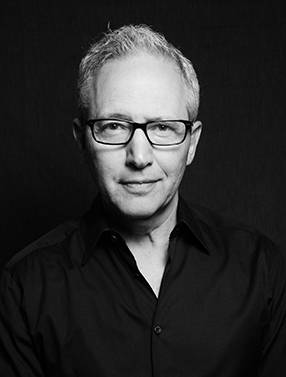
Geoffrey Rose’s approach weaves these elements together in a way that feels personalized to your specific situation. Whether you’re working through anxiety in person in Los Angeles or connecting via phone or online sessions, the focus remains on creating real, lasting positive change rather than just symptom management.
The beauty of this model is that as you address one dimension, the others naturally shift.
Why This Approach Works for High-Functioning Professionals
High-functioning professionals often carry a particular kind of anxiety, the kind that doesn’t stop you from performing, but quietly undermines your peace. You might excel at your work while feeling disconnected from yourself. You might achieve external success while experiencing internal emptiness. This paradox is exactly what the spiritual psychological approach addresses.
One reason this works for driven individuals is that it doesn’t ask you to slow down or become less ambitious. Instead, it helps you align your ambition with your authentic values. Many high-performers discover that their anxiety actually decreases when they’re pursuing goals that genuinely matter to them, rather than goals they think they should want.
The approach also honors your intelligence. You’re not being asked to adopt simplistic solutions or positive-thinking platitudes. Instead, you’re invited into a deeper exploration of how your mind works, why you’re wired the way you are, and how to work with your nature rather than against it.
For creative professionals specifically, this matters enormously. Your sensitivity, your tendency toward introspection, your capacity to feel deeply, these aren’t flaws to fix. They’re part of what makes you creative and insightful. The work is learning to channel these qualities without being overwhelmed by them.
Additionally, many high-functioning professionals respond well to approaches that are concrete and results-oriented. You’re not engaging in vague self-help exercises. You’re working with specific techniques, clearing specific patterns, and moving toward measurable shifts in how you feel and function.
Practical Steps to Begin Your Spiritual Psychological Journey
Starting a spiritual psychological practice doesn’t require overhauling your life or committing to years of intensive therapy. You can begin with small, consistent practices that create momentum.

First, establish a basic mindfulness practice.
Conclusion
The spiritual psychological approach to anxiety offers something different: a path that doesn’t ask you to become someone else, but rather to become more fully yourself. For high-functioning professionals, creative individuals, and sensitive people navigating anxiety in Los Angeles and beyond, this integration of psychology and spiritual practice creates lasting freedom from the patterns that have held you back.
American Psychological Association resources on anxiety and mindfulness
Harvard Health guide to mindfulness and mental health
Frequently Asked Questions
What is the difference between a spiritual psychological approach to anxiety and traditional therapy?
A spiritual psychological approach to anxiety integrates both inner psychological work and spiritual practices. Rather than focusing solely on behavioral change or symptom management, this method addresses the root beliefs and patterns that fuel anxiety, including disconnection from purpose and authentic self-expression. It acknowledges that anxiety often signals a misalignment between how you’re living and who you truly are, making healing a path toward wholeness rather than just symptom relief.
How does emotional detox for anxiety help with chronic worry?
Emotional detox for anxiety works by helping you identify and release stored emotional patterns that sustain anxiety. Through experiential work, not just talking about problems, emotional detox helps you process these patterns at a deeper level.
Can mindfulness-based cognitive therapy actually reduce anxiety symptoms?
Mindfulness-based cognitive therapy combines present-moment awareness with the ability to observe anxious thoughts without believing them. This approach helps you notice that thoughts are temporary mental events, not facts. Over time, this creates distance between you and anxiety. Many sensitive and introspective individuals find this especially effective because it honors both the mind’s activity and the body’s wisdom.
Is holistic anxiety treatment in Los Angeles right for someone skeptical about spirituality?
Absolutely. A holistic anxiety treatment approach doesn’t require you to adopt any particular belief system. It simply recognizes that anxiety involves your whole self, body, mind, emotions, and sense of meaning. Even analytical, skeptical professionals benefit from addressing anxiety through multiple angles: nervous system regulation, thought patterns, somatic awareness, and reconnection to what matters most to you. Skepticism is actually valuable; it keeps the work grounded and practical.
How long does it typically take to see results with a spiritual psychological approach?
Results vary based on the depth of anxiety and your readiness to engage. Many clients report noticeable shifts in how they experience anxiety. Deeper transformation, where anxiety no longer controls your choices, typically unfolds as you integrate new patterns and reconnect with authentic living. The goal is lasting change, not quick fixes.
Will addressing my anxiety make me less effective at work?
The opposite is true. Anxiety often masks your true capabilities by creating self-doubt and perfectionism. As you release the fearful and self-limiting thoughts driving anxiety, you access greater clarity, creativity, and presence. High-functioning professionals typically find they perform better once they’re not expending energy managing anxiety. You become more authentic, more confident in your decisions, and more able to take meaningful risks.
What makes a spiritual psychological approach different from general counseling?
A spiritual psychological approach treats anxiety not as a disorder to fix but as a signal pointing toward misalignment in your life. It honors your sensitivity and creativity as strengths, not liabilities. Rather than just managing symptoms, this work helps you move beyond self-limiting thought patterns to experience increased joy, ease, and personal freedom. It’s experientially based.
Recent Comments